Quick Impact Program (QIP)
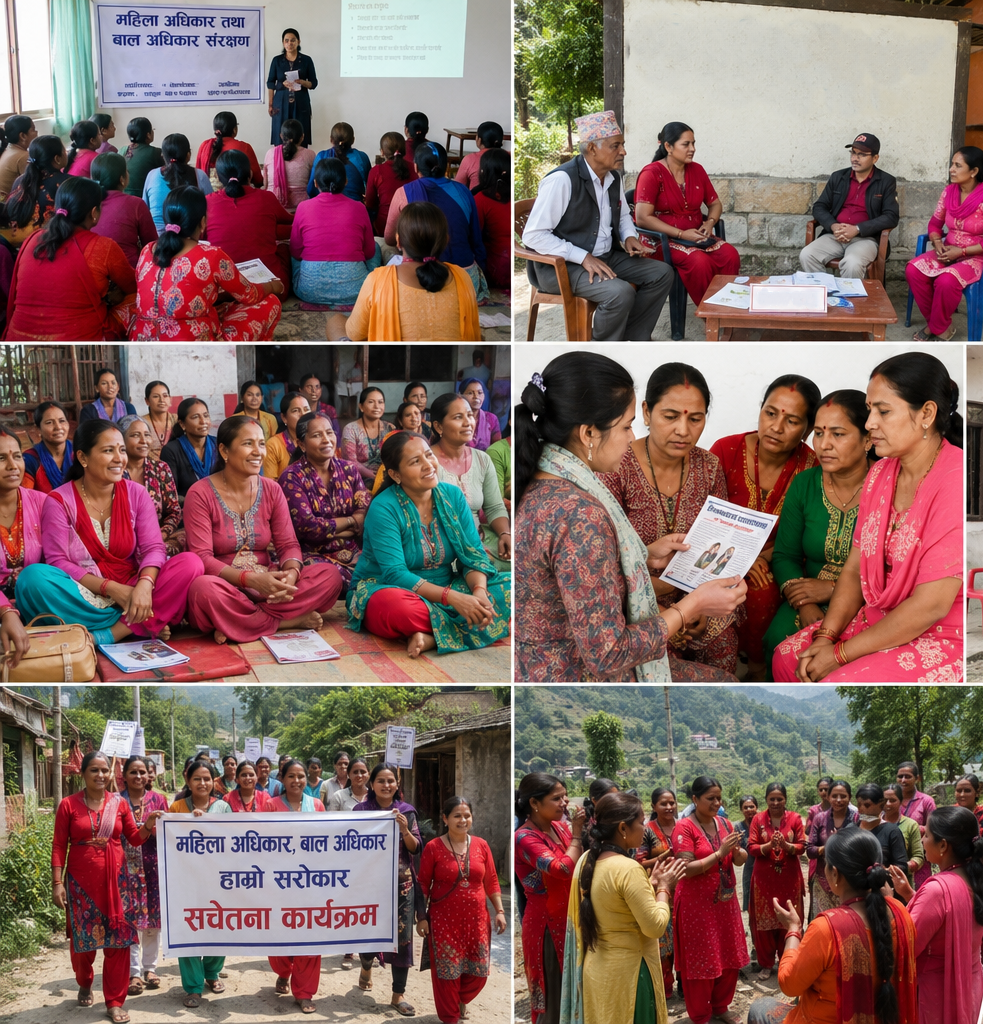
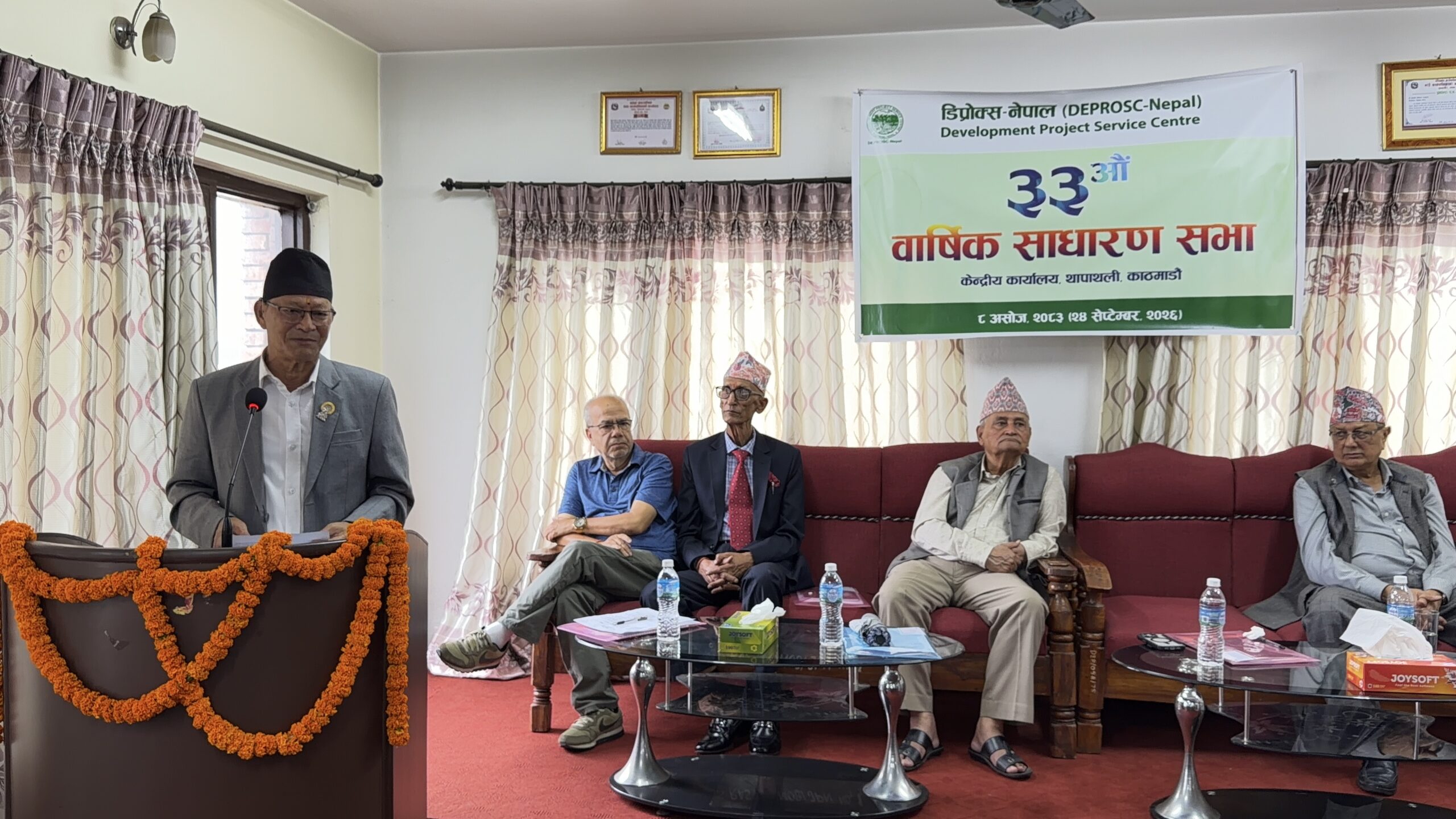
Given the growing vulnerability of people in the Mid- and Far-West, the World Food Programme, in July 2003 and with the consent of HMG/N (MLD), designed a new initiative — the Quick Impact Programme (QIP) — for nine districts of the region, to address food insecurity and create productive/community assets for people affected by conflict. The project aimed to improve the immediate food insecurity situation of targeted beneficiaries and to provide food assistance for the creation of productive assets.
| Donor | WFP and DFID |
| Start date | October 2003 |
| End date | October 2004 |
| Project Districts | Rukum, Dolpa, Humla, Jajarkot |
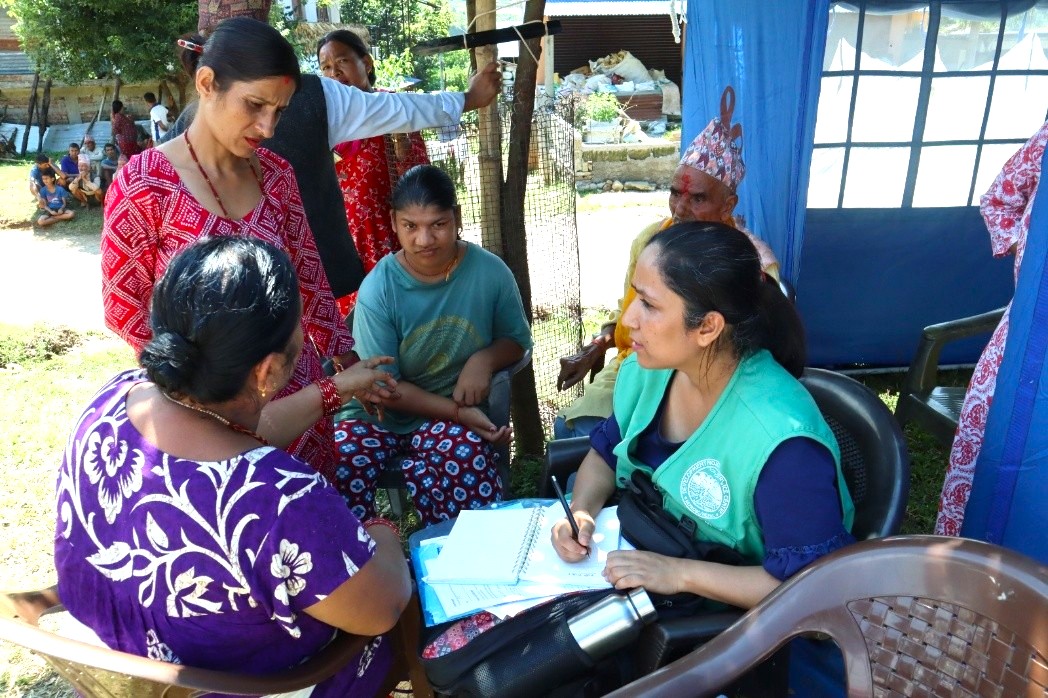
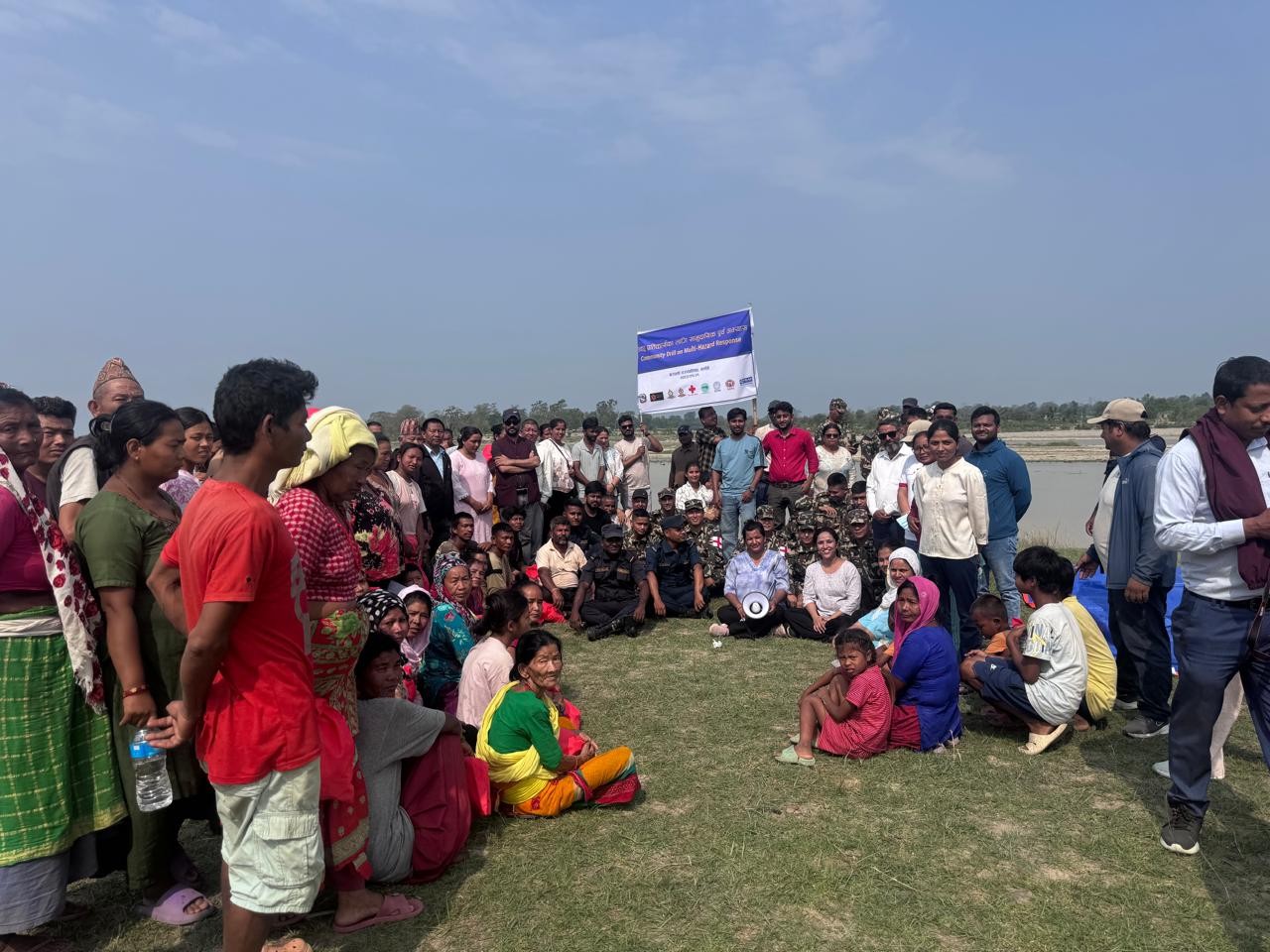
| Achievements | DEPROSC-Nepal was tasked with administering 400 MT of rice inputs across four districts, a task it completed successfully. The successful operation of QIP in a participatory manner showed that development activities can continue even during, and in areas of, conflict. Including schemes implemented with UNICEF inputs, 136 UCs were formed, and DEPROSC-Nepal alone mobilized over 8,000 beneficiaries. Rehabilitating community assets such as schools and health posts strengthened basic services and helped raise hope among people, at least within the QIP areas. A total of 23 wooden bridges, 7 irrigation projects, 26 mule and foot trails, 3 health posts, and 36 buildings/DWS were constructed or repaired. School enrollment rose in 39 schools in Rukum, 30 in Jajarkot and 21 in Dolpa; across these 90 schools, 2,068 additional students enrolled that year. QIP served as a connector between headquarters and villages. After the insurgency began, people’s mobility to district headquarters had been sharply limited; QIP nonetheless gave many people the opportunity to reach headquarters. By engaging people in infrastructure building and the transport of rice to their homes, QIP discouraged out-migration and reduced seasonal and economic migration. |