Microfinance Morang
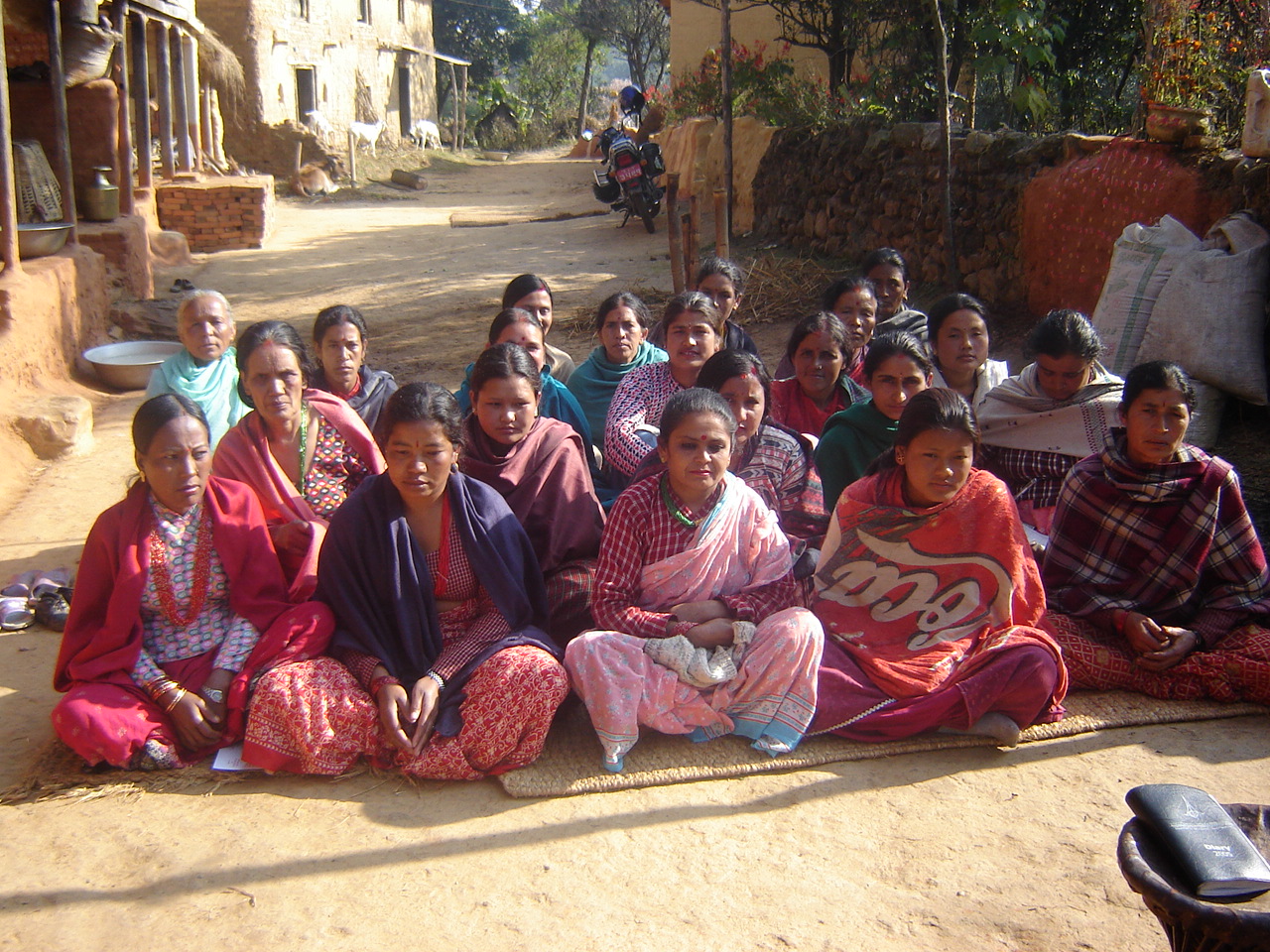
The microfinance programme in Morang was started to provide financial access to women from four VDCs, namely Itahara, Sijuwa, Jhurkiya, and Mahadeva. Although the programme initially aimed at enhancing financial access, it eventually turned out to be an effective socio-economic empowerment project as it adopted an intensive social mobilization process.
The programme focused on the formation of groups comprising people living below the poverty line, adopting the per capita income threshold of Rs. 2,500 as defined by the Small Farmers Development Programme of ADB. It also implemented Compulsory Group Training (CGT), followed by a verbal examination known as the Group Recognition Test (GRT). CGT and GRT were the foundations of what is today considered modern financial literacy. Besides this, the social mobilization process was intensive enough to address other developmental issues such as women’s health, personal hygiene, child education, kitchen gardening, women and child nutrition, and entrepreneurship development, among others. These activities were conducted on a monthly basis at the microfinance centre.
Normally, eight groups consisting of five women each constituted a Centre (Kendra), which used to hold monthly meetings to carry out regular savings and credit activities. The aforementioned awareness-raising sessions were conducted after the completion of savings and credit activities. Until 2005, the programme had not achieved financial self-sufficiency; therefore, Plan Nepal continued supporting it through technical assistance as well as coverage of operational losses.
The programme not only provided financial services but also offered training inputs, organizational development support, exposure visits, and initiatives aimed at enhancing gender relations. A simple process of inviting the male counterpart to the office, briefing him while providing loans to women clients, and encouraging him to support proper loan utilization and repayment not only reduced women’s stress related to instalment repayment but also contributed to entrepreneurship development and improved gender relations at the household level.
The programme provided various savings and loan products, livestock insurance, and social protection products such as member insurance and funeral support services.
DEPROSC-Nepal’s microfinance programme was distinctive from three perspectives.
One: There was a grace period of two months.
Two: Loan repayment was to made on a monthly installment.
Three: Interest rate was calculated on a reducing balance method and it was effective 18% per year.
| Donor | Plan International |
| Start date | 1997 |
| End date | 2007 |
| Project Districts | Morang |
| Achievements | The microfinance programme in Morang grew and eventually evolved into Nadep Laghubitta Bittiya Sanstha Limited, which was established in 2015. At the time of handover, the programme had expanded to 11 districts, covering more than 50,000 members with an accumulated savings deposit of Rs. 484 million and outstanding portfolio of Rs. 1.172 billion. In addition to improving access to financial services, the microfinance programme was instrumental in enhancing children’s access to education, nutritious food, improved women’s health and hygiene, better gender relations at the household level, and increased financial literacy. |