Improving Livelihood for poor farmers and DAG in EDR
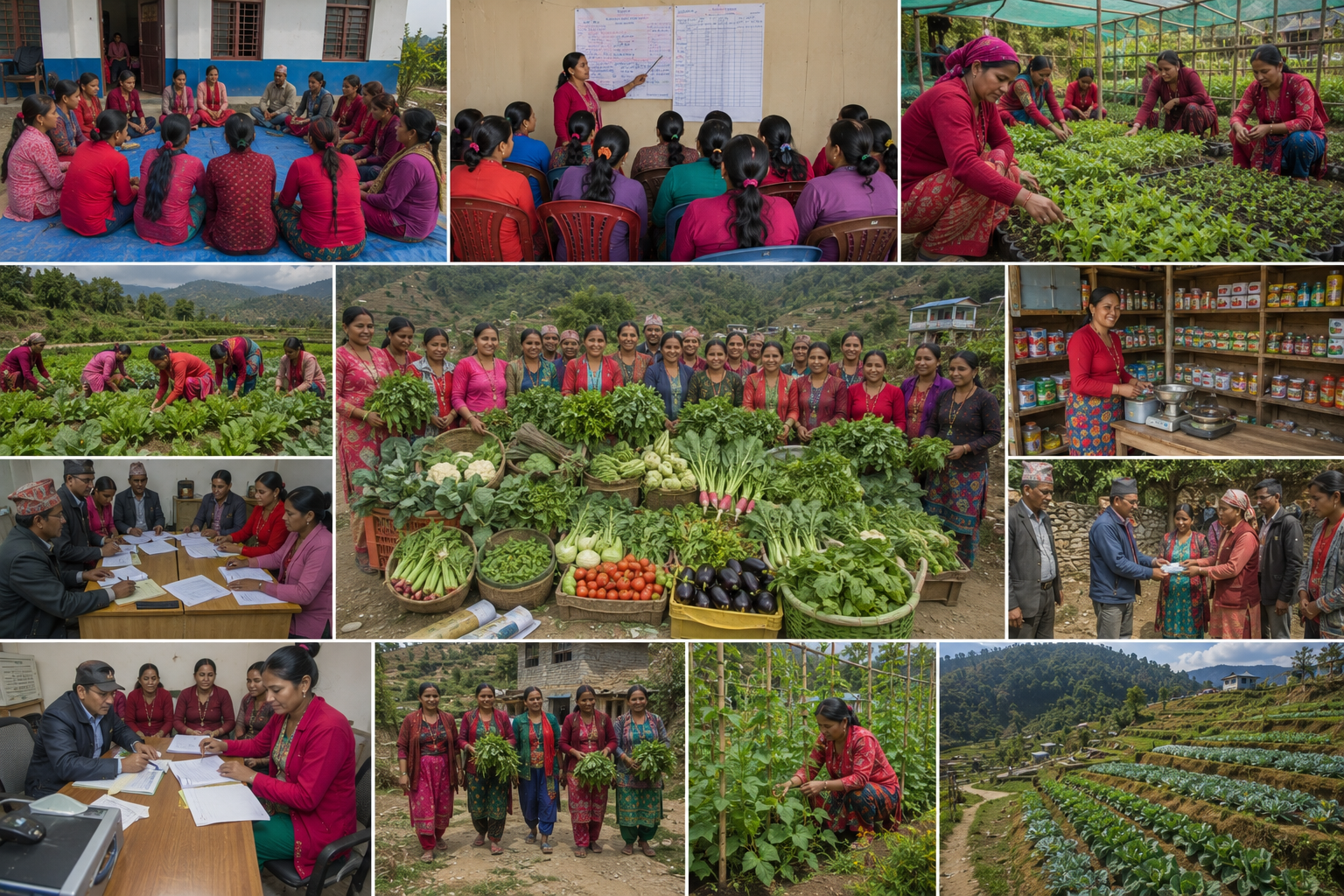
The Commercial Agriculture Development Project was implemented by Ministry of Agriculture and Cooperatives in 11 districts with the financial assistance of Asian Development Bank, Manila. DEPROSC-Nepal was assigned to implement one component, which was often called ‘Japanese Fund for Poverty Reduction (JFPR)’, in the four districts. The project aimed to bring the underprivileged communities (both landless and poor farmers) of the project area into the development process, or help them tap opportunities created by the ongoing CADP project. The project supported meeting objectives to (i) improve the livelihoods of the rural poor in the agriculture sector and (ii) increase their participation in the development process in the Eastern Development Region of Nepal. The project reached 12,000 very poor households (HHs) to increase their incomes and to enhance skills for effective participation in development efforts through 600 self-help groups. The project cultivated their leadership skills, and helped increase their confidence and self-esteem, and also improved the adult literacy rate. We facilitated 50% of the target groups to help them access the ‘Income generation fund’ and ‘commercial agricultural fund’ managed by the Commercial Agriculture Development Project. In addition, skills of service providers developed for social mobilization and income generation through commercial agriculture and marketing, effective monitoring and reporting and financial management and beneficiary evaluation techniques.
| Donor | ADB Manila |
| Start date | July 2007 |
| End date | July 2011 |
| Project Districts | Morang, Sunsari, Saptari, Dhankuta |
| Achievements | The project identified 12,159 (100% of project target) beneficiary households and organized them into 455 Self Help Groups, recruited and mobilized 12 competitive NGOs for project implementation, completed SHG level promotion and management training in 455 SHGs for 12,159 members, registered 454 SHGs at DADO for legalization, organized 454 SHG level skill-based vegetable cultivation and nursery management training covering 12092 members, Supported 454 trained SHGs with LSF (an average of US$ 385 per SHG) to initiate livelihood support and income generation activities in the first phase. Participating SHGs and involved members generated additional income. More importantly, the project motivated and mobilized landless beneficiary families to lease some land, cultivate vegetables and sell at the market. Landless households account 32% of the total beneficiaries and they also benefited through vegetable cultivation in leased land. Their average earning was NRs. 119,164 (or US$ 1,702.00) per SHG per season or NRs. 4,524.00 per member in the first season (excluding home consumption) as revealed from the production report of 357 SHGs. |