Community based Micro Health Insurance (CBMHI)
Project Description
DEPROSC-Nepal implemented the Community-Based Micro Health Insurance (CBMHI) project in six Rural Municipalities (Gaunpalikas) of Dhading District: Benighat Rorang, Galchhi, Siddhalekh, Thakre, Dhunibesi, and Gajuri, since 2010 with financial support from MISEREOR, Germany, in which Save the Children Nepal played the lead role. The Micro Insurance Academy (MIA) provided technical assistance throughout both phases of the project: the first phase (2011–2014) and the second phase (2016–2018). DEPROSC-Nepal itself bridged the seven-month funding gap between the two phases.
The objectives of the project were to increase access to health facilities and distribute financial risk among communities through:
- Increased awareness among beneficiaries regarding financial risks and the benefits of health insurance;
- Enhanced capacity of community institutions to manage and self-administer micro health insurance schemes;
- Adoption and implementation of health insurance policies at the local level;
- Increased exposure of policymakers at different levels to micro insurance practices; and
- Greater access to inclusive micro health insurance services.
Main Characteristics of CBMHIP
- Community-managed;
- Female-led and managed (committees, activists, facilitators, etc.);
- Premium amounts and benefit packages decided by the community;
- Cash-based reimbursement system;
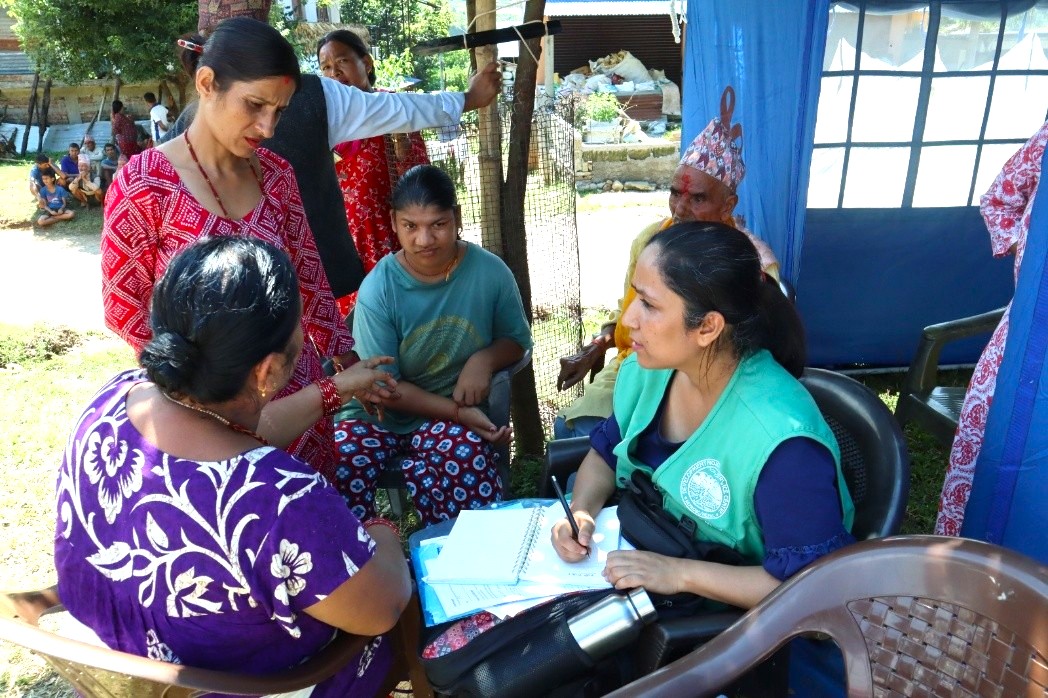
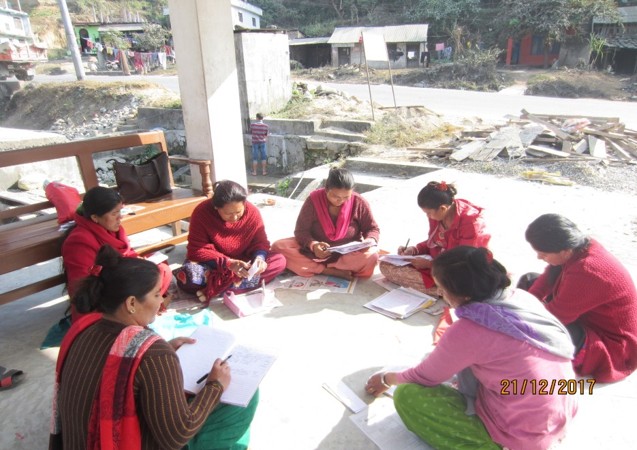
- Door-to-door services for awareness, enrollment, and claim reimbursement;
- Claim screening and reimbursement decisions made by the community;
- Claim settlement within one month;
- Individual premium and family floater benefit packages;
- Premium of NPR 405 per person per year and benefit coverage of NPR 53,200 per family;
- Private and government service providers designated by the community according to need;
- Only quality service providers designated (having at least MBBS doctors, laboratory, and imaging facilities);
- Recruitment of activists/facilitators from the local community;
- Inclusive of women, children, and elderly people; and
- Organization registered as an NGO in Dhading.
| Donor | Save the Children |
| Start date | May 2010 |
| End date | Dec 2018 |
| Project Districts | Dhading |
| Achievements | The project began enrollment on January 1, 2011, and operated for 18 cycles, with new enrollment conducted at six-month intervals. A total of 37,438 members from 10,078 households were enrolled in the programme, contributing a total premium amount of NPR 13,711,059. A total of 10,793 claims were made, amounting to NPR 8,697,770 (63.44%). Thousands of members improved their understanding of proper healthcare services and reduced the malpractice of relying on local healers (Dhami and Jhankri) and obtaining medicines directly from pharmacies without proper consultation. Members not only learned the concepts and processes of health insurance but also understood the importance of timely access to affordable healthcare services. Moreover, members became prepared to join the government-introduced Swasthya Beema Karyakram (SBK). Government of Nepal also significantly benefited from the lessons learned during this seven-year pilot initiative. The programme was discontinued after the government launched the SBK in Dhading District. |