Business Literacy Programme
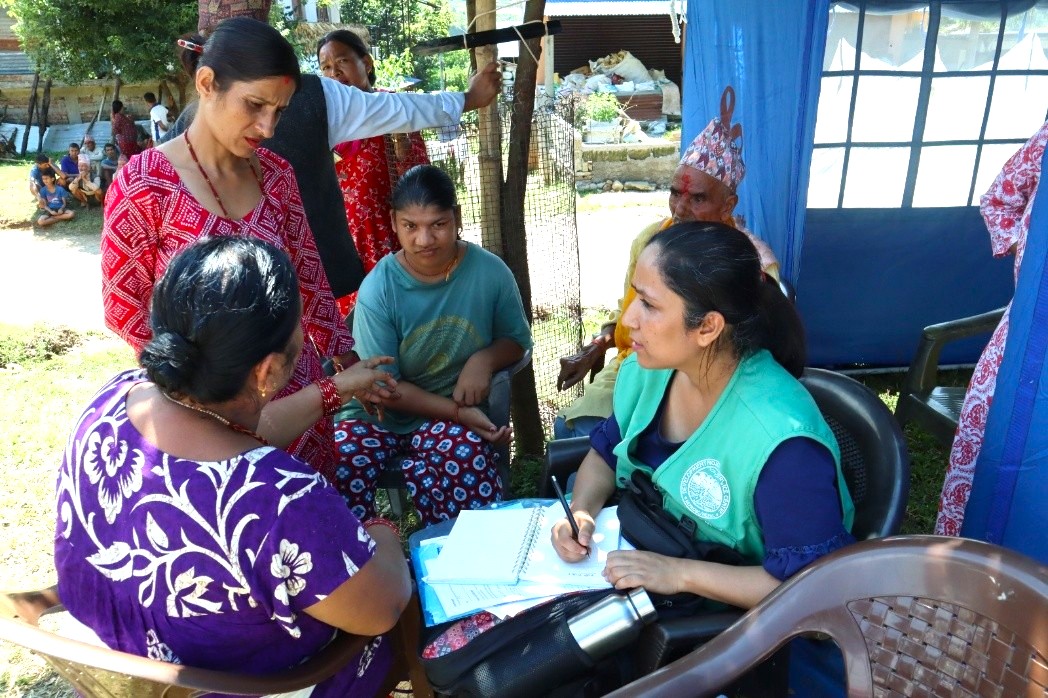
The Business Literacy Programme is part of USAID’s Feed the Future (FtF) programme, the U. S. Government’s global hunger and food security initiative. USAID/Nepal awarded Development Project Service Centre (DEPROSC-Nepal) as the Prime Contractor to implement component C of FtF for a period of three years, starting from March 01, 2014. The programme was carried out in 20 FtF districts. The main aim of the Programme was to enhance the resilience of vulnerable households and communities through literacy, numeracy, and business/entrepreneurial skills for economic empowerment. The programme graduated 51,539 beneficiaries and empowered women, youth, disadvantaged castes, and ethnic minorities through literacy, life skills, and entrepreneurial training (both on farm and off farm). Consequently, the vulnerable sections of society have better access to agricultural and nutrition interventions and business opportunities. Such that 72.75% beneficiaries initiated a new business or expanded existing ones.
| Donor | USAID |
| Start date | 2014 |
| End date | February 2017 |
| Project Districts | Banke, Bardiya, Dailekh, Dang, Jajarkot, Pyuthan, Rolpa, Rukum, Salyan, Surkhet, Achham, Arghakhachi, Baitadi, Dadeldhura, Doti, Gulmi, Kailali, Kanchanpur, Kapilvastu, Palpa |
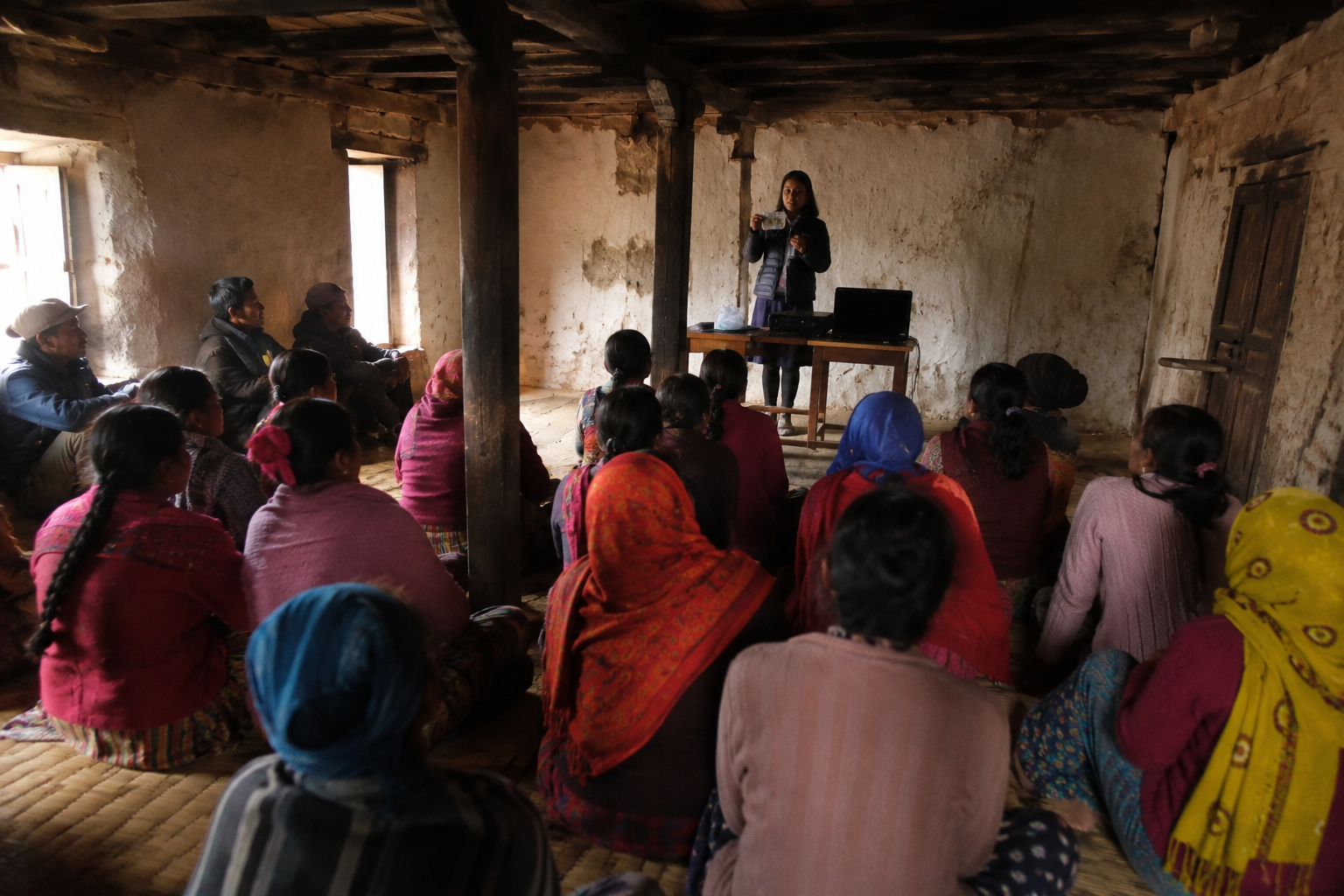
| Achievements | Forty-eight weeks long training was conducted at localities where the targeted households lived. Five modules were prepared for the training that covered Literacy and Numeracy; Nutrition Education; Life Skills; Entrepreneurship Education; and Access to Finance to impart knowledge, tools and skills to beneficiaries. The content for all five modules was prepared in consultation with concerned partners and stakeholders. Community Trainers (CTs) especially having similar linguistic background as the beneficiaries were mobilized to conduct beneficiary level training and CT trainings were conducted by Master Trainers (MTs). The programme succeeded to enroll 54,058 beneficiaries. 51,539 beneficiaries graduated against the target of 48,000. 47,559 (92.28%) were female beneficiaries and 34,437 (66.82%) beneficiaries were from Dis-Advantaged Groups (DAG). 37,493 (72.75%) beneficiaries after completing entrepreneurial literacy course initiated a new business or expanded their existing one. The increase in women empowerment is clearly reflected in the economic activities initiated by the BLP beneficiaries. |